


A term of learning, growth and new possibilities
Throughout Term 3, we created opportunities for learners to strengthen their academic foundations, develop essential life skills and explore new interests beyond the classroom. From literacy and leadership through sport to technology, the creative arts and academic achievement, these experiences supported their holistic development.
The dedication of our teachers, the support of parents and our partnerships with organisations remain central to this work.
In this edition, we highlight our learners’ progress and the experiences advancing our commitment to holistic, high-quality education.
1. Celebrating learner achievement and academic progress
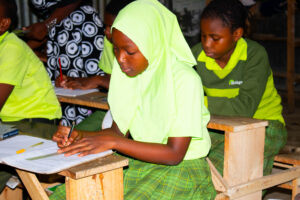
Recognising progress at every stage of learning. Every stage of a child’s education represents progress, growth and preparation for new learning opportunities. Our Term 3 Prize Giving and Graduation Day celebrations provided an opportunity to recognise these achievements and acknowledge the efforts behind them.
As our learners progress to the next grade, we celebrate their growth, dedication and achievements throughout the term. Among the key milestones, 2,425 PP2 (Pre-Primary 2) learners graduated, preparing to transition to Grade 1 and begin a new chapter in their education. We also recognised 1,204 Grade 6 learners and 461 Grade 9 learners as they prepared for their respective national assessments.
These celebrations recognise more than academic performance. They acknowledge learners’ commitment, the guidance of our teachers and the support of parents and families throughout each child’s educational journey.

2. Preparing learners for the next stage Of education
National assessments are an important part of a learner’s educational journey, providing an opportunity to demonstrate the knowledge and skills developed over time.
During the 2026 assessment period, 1,204 of our Grade 6 learners sat the Kenya Primary School Education Assessment (KPSEA), while 461 Grade 9 learners sat the Kenya Junior School Education Assessment (KJSEA). Their participation marked the culmination of years of classroom learning, guidance and preparation.
Behind every assessment is the collective effort of learners, teachers and parents. We recognise the dedication that has brought our candidates to this stage and the role our school communities have played in supporting their progress.
We celebrate all our candidates and wish them success as they take this important step towards the next stage of their education.
3. Sharing perspectives on advancing quality early childhood education
Quality early childhood education lays the foundation for children’s lifelong learning and development. Achieving this requires approaches that strengthen teaching, support educators and engage the communities in which children grow and learn.
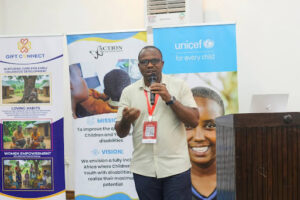
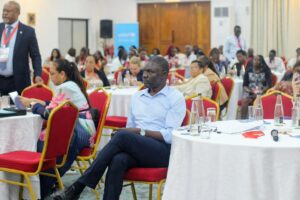
At the 2nd Africa Childcare Forum in Mombasa, our Group Managing Director, Reuben Mwangi, contributed to this conversation, sharing insights on how technology and community engagement can advance quality Early Childhood Care, Development and Education (ECCDE).
He highlighted how technology can strengthen teaching and learning through improved access to educational resources, data-informed decision-making and more effective monitoring of children’s progress. However, its value is greatest when complemented by strong partnerships with parents, caregivers, educators and local leaders.
These stakeholders play an essential role in creating safe, nurturing and stimulating environments where children can thrive. Our approach recognises that technology should strengthen, rather than replace, these human connections. By bringing innovation and community participation together, we can support more effective early learning and better outcomes for children.
4. Connecting classroom learning with emerging technology
As technology continues to shape how people learn, work and solve problems, equipping children with the skills to understand and engage with emerging technologies is increasingly important.
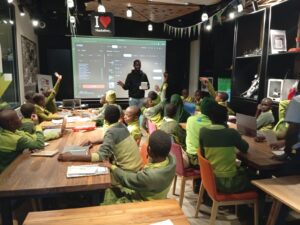
During Term 3, our learners visited Microsoft Garage in Nairobi, where they were introduced to artificial intelligence (AI) and its practical applications. Through hands-on activities, they explored tools such as Microsoft Copilot and ChatGPT, created posters, experimented with music generation and learned how prompts guide AI-generated outputs.
The experience gave learners an opportunity to move beyond theoretical understanding and explore how technology can support creativity, idea development and problem-solving. It also encouraged curiosity, experimentation and critical engagement with digital tools.
By exposing learners to emerging technologies, we create opportunities for them to develop digital awareness and the confidence to engage with the tools shaping the future.
5. Expanding learning through arts and creativity
Exposure to the creative arts gives children opportunities to explore different forms of expression, develop their imagination and build confidence.
Through our partnership with Dance Centre Kenya, our learners usually attend theatrical performances that introduce them to different art forms and creative experiences.
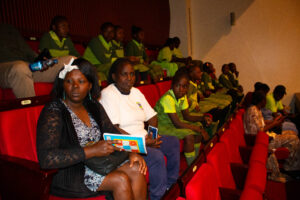
During Term 3, they attended Aesop’s Fables: A Ballet for Young Audiences at the Kenya National Theatre in Nairobi. The creative production brought familiar fables, including The Hare and the Tortoise, The Lion and the Mouse and The Boy Who Cried Wolf, to life through ballet, movement, music and live narration.
Such experiences introduce learners to ballet as an art form and demonstrate how movement, music and performance can communicate ideas, values and lessons. It also broadened their exposure to creative disciplines that may inspire new interests and talents.

6. Developing leadership and life skills through sport
Sport provides an important platform for developing the life skills children need to succeed in school and participate positively in their communities. Through the Enabling Leadership League Play programme, our learners are developing teamwork, communication, decision-making and leadership skills through structured mixed gender football activities.
Delivered in partnership with Enabling Leadership Global, the programme combines training and competitive matches to help learners build confidence, practise collaboration, demonstrate discipline and work towards shared goals.
These skills were on display during the Enabling Leadership Play League finals in Term 3, where learners from Kingston and Sinai academies competed and celebrated their progress. Trophies were awarded to participants who excelled throughout the league, recognising their commitment and performance.
By integrating sport into broader learning experiences, we provide learners with opportunities to develop the confidence, resilience and leadership abilities that support their growth beyond the classroom.


7. Celebrating the role of teachers in shaping the future
Teachers make learning happen. Behind every learner’s progress is a teacher who guides, encourages and creates opportunities for children to develop their knowledge, skills and confidence.
On World Teachers’ Day, we recognised the dedication of the teachers who make this possible across our academies. Our teaching workforce includes 1,160 active teachers and school leaders in Kenya, whose work supports learning and development across our classrooms.
From introducing new concepts and guiding classroom discussions to identifying learning needs and encouraging learners to overcome challenges, teachers play a central role in shaping educational experiences. Their contribution extends beyond lesson delivery to nurturing curiosity, building confidence and helping children develop the foundations for continued learning.
8. Building strong foundations through literacy
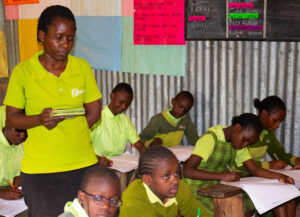
Literacy is fundamental to a child’s ability to learn, communicate and engage with the world. Strong reading skills enable learners to understand information, build knowledge across subjects and develop the confidence to express their ideas. They also provide the foundation for independent learning and continued academic progress.
On International Literacy Day, we highlighted the importance of strengthening these foundational skills as part of our commitment to quality education.
In our classrooms, we place emphasis on developing learners’ reading fluency, vocabulary and comprehension. These core skills help children move beyond recognising words to understanding, interpreting and applying what they read. Our teachers play a central role in this process, providing guidance, encouraging regular reading and creating opportunities for learners to build confidence.
9. Advancing opportunities for girls through education
Every girl deserves access to quality education and an equal opportunity to learn, develop her abilities and pursue her aspirations.
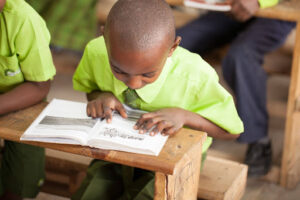
On the International Day of the Girl Child, we joined the global call to advance girls’ education and recognise the role it plays in expanding opportunities for girls and young women.
Through education, girls gain the knowledge, skills and confidence to make informed decisions, participate in their communities and pursue pathways that may otherwise remain beyond their reach. A supportive learning environment is essential in helping them participate fully, build their abilities and realise their ambitions.
Our commitment to quality education means ensuring that girls have opportunities to learn, grow and progress at every stage of their educational journey.
9. Nurturing dreams and aspirations on World Dream Day
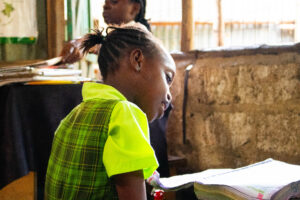
Every brighter future begins with a dream. A brain surgeon, a paediatric nurse, a fashion designer or a cardiologist. These are some of the futures our learners envision for themselves, reflecting the ambition, curiosity and possibilities that education can nurture.
On World Dream Day, our learners shared what they hope to become, expressing aspirations across a wide range of professional fields. Their ambitions remind us that every child deserves the opportunity to explore their interests, develop their abilities and pursue a future shaped by their own potential.
Education plays a key role in turning these aspirations into possibilities. Through learning, children acquire the knowledge, practical skills and confidence they need to explore different career paths, make informed choices and work towards their goals.
Our responsibility is to create learning environments that encourage children to think beyond their present circumstances, recognise their abilities and develop the foundations needed to pursue their ambitions.
Looking ahead
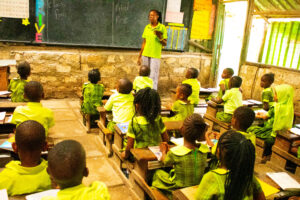
The progress and achievements of Term 3 demonstrate our commitment to providing holistic, high-quality education in underserved communities, supporting every aspect of a child’s development. We remain focused on equipping learners with the knowledge, skills and confidence to succeed in school and beyond.
We recognise the teachers, parents and partners whose continued support makes this work possible.
As we look to the next term, we remain committed to creating opportunities for every child to learn, grow and realise their potential.
Together, we continue to make learning matter.