


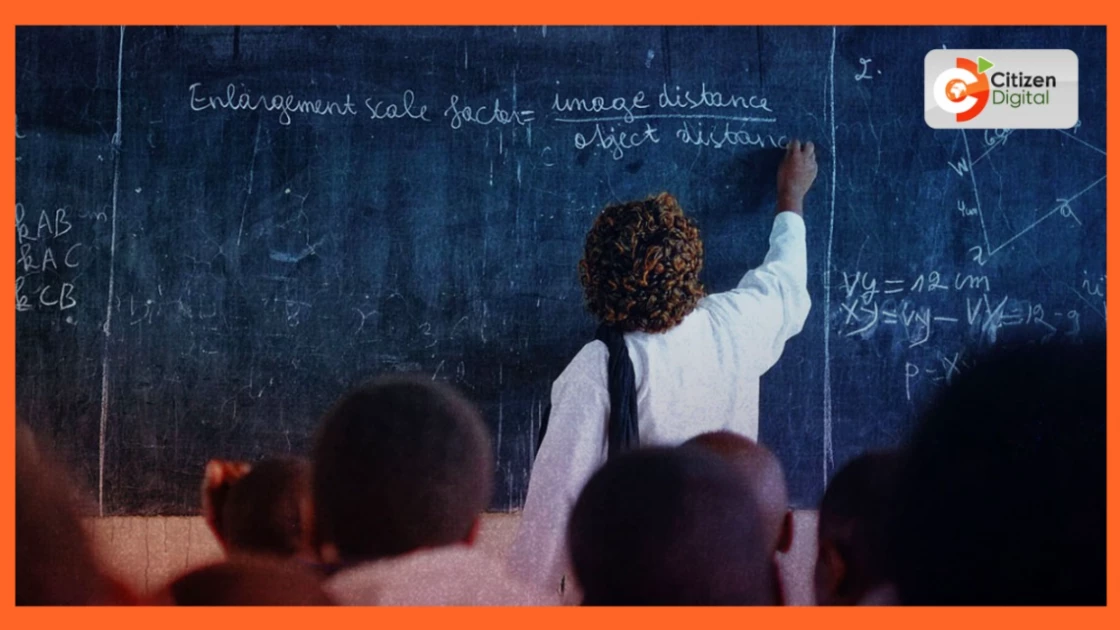
International Day of Education: Addressing the challenge of ‘Learning Poverty’
Unfortunately, nearly 90% of 10-year-olds in Sub-Saharan Africa fall into this category, according to a study by the World Bank. This is not just a tragedy; it’s a massive barrier to opportunity, equality, and growth.
On this International Day of Education, it’s important to reflect on the global challenge of learning poverty and the steps we can take to overcome it. Governments, educators, and communities must collaborate to ensure that every child, regardless of their background, has access to quality education that addresses both their academic and personal development needs.
However, innovative educational approaches are beginning to address this gap. One such example is the work of Bridge Academies Foundation, which focuses on foundational literacy and numeracy to help children, particularly those from underserved communities, gain critical skills needed for success both in school and later in life.
By focusing on foundational literacy and numeracy, Bridge is helping children, especially those from underserved communities, gain the skills they need to succeed in school and in life.
The Learning Poverty Crisis: A Global Challenge
The World Bank’s State of Global Learning Poverty: 2022 Update paints a sobering picture of the global education landscape. The report calls for urgent action, emphasizing the need to prioritize core skills such as literacy, numeracy, and socio-emotional development, particularly in the early years of schooling. These early grades are critical, as they lay the foundation for all future learning.
As highlighted in the report, post-COVID recovery efforts must focus on accelerating learning outcomes and closing the gaps that have been exacerbated by the pandemic. The RAPID framework, developed by the World Bank, focuses on improving learning outcomes through a combination of remedial interventions, accelerated learning, and targeted efforts to support the most vulnerable learners.
Bridge Methodology: Technology and Support to Close the Gap
One of the key factors behind the success of Bridge is the integration of technology into the classroom.
Teachers are equipped with tablets that contain pre-planned lessons and teacher guides, streamlining lesson preparation and enabling teachers to focus on student engagement. This standardized approach to teaching has proven effective in ensuring that lessons are delivered consistently and effectively.
Additionally, there is the use of remote monitoring systems that allow administrators to track student progress and identify learning gaps in real time. This proactive approach ensures that support can be offered promptly, preventing students from falling behind. The use of technology, such as the Let’s Mark digital scanner, has revolutionized assessment.
This tool allows assessments to be graded and feedback provided to students on the same day, creating an efficient and responsive learning environment.
The Impact on Long-Term Educational Outcomes
The impact of these educational innovations goes beyond just test scores. Studies show that students in schools that focus on foundational skills and personalized learning are not only more likely to pass secondary school exams, but they are also better prepared to succeed in the workforce.
Moreover, education models that emphasize non-cognitive skills—such as creativity, confidence, and organizational ability—help foster well-rounded individuals. Research indicates that children from the poorest households, even those without basic amenities like electricity or sanitation, have shown the largest learning gains when given targeted support and quality education.